
Search by topic, theme, or feeling
Neurodivergent Meltdown Warning Signs and Interoceptive Awareness
Learn to recognize the somatic warnings of an approaching neurodivergent meltdown, from subtle irritability to a loss of function like clumsiness or going nonverbal.

Midlife Unmasking: A Somatic Perspective
The neurodivergent person’s body can bear the hidden cost of decades of masking, and the hormonal and physical shifts of midlife can shatter those coping structures.
From Performance to Presence: Reducing Identity Distance Through Social Architecture
This post explores how Herbert Blumer’s theory of symbolic interactionism can guide neurodivergent individuals in reducing identity distance through intentional social and environmental design. It frames authentic expression not as a departure from social rules but as a renegotiation of what those rules should be.

Somatic Practices for Nervous System Resilience in Neurodivergent Adults
Somatic therapy offers a hopeful pathway for neurodivergent individuals to gently expand their nervous system's window of tolerance.

The Somatic Cost of Masking In Neurodivergent People
The chronic muscular tension, profound fatigue, and identity fragmentation often experienced by neurodivergent individuals who mask are not separate symptoms but interconnected signs of a body forced to live a prolonged performance.

Finding Your Voice: Self Advocacy for Neurodivergent Individuals
For neurodivergent individuals, self advocacy often requires translating fundamental needs into a foreign language of social norms.

Neurodivergent neuroception and building a personal safety inventory
For neurodivergent individuals, the subconscious process of neuroception, which scans for safety, can be uniquely sensitive, impacting social energy and daily life. This post explores how a personalized safety inventory and dedicated rest can help regulate the nervous system and foster well-being.

A Personal Sensory Profile: Exteroception, Sensitivity, and the Neurodivergent Experience
For many neurodivergent individuals, exteroception, or the perception of the external sensory world, is a primary source of overwhelm and exhaustion.
Mapping the Inner World: Interoceptive Awareness for Neurodivergent Wellbeing
For many neurodivergent individuals, decoding the body's internal signals can be a profound challenge.
The Body in Space: Understanding Proprioceptive Differences in Neurodivergent Experience
Proprioception, our body's internal GPS, often functions differently for neurodivergent individuals, leading to a disconnect from physical self-awareness.

Understanding and Supporting Neurodivergent Sensory Experiences
Sensory sensitivities are a core, valid experience for many neurodivergent individuals. By understanding and implementing personalized mitigation strategies, we can foster safety and reduce the harm caused by chronic overstimulation.

The Complex Intersection of Neurodivergent Minds and Self Harm
Self harm ideation in neurodivergent individuals often represents a nervous system's survival response to overwhelming distress, not a symptom of brokenness.

Reclaiming the Inner Voice: CPTSD and Negative Self-Talk in Neurodivergent Individuals
For neurodivergent individuals with CPTSD, negative self-concepts are often trauma responses forged in a world of chronic mismatch. Healing involves gentle practices that address both the ingrained neural pathways of criticism and the specific context of neurodivergent experience.

The Transformative Power of a Late Neurodivergence Discovery
A later-in-life neurodivergence diagnosis can provide the essential framework to rebuild.
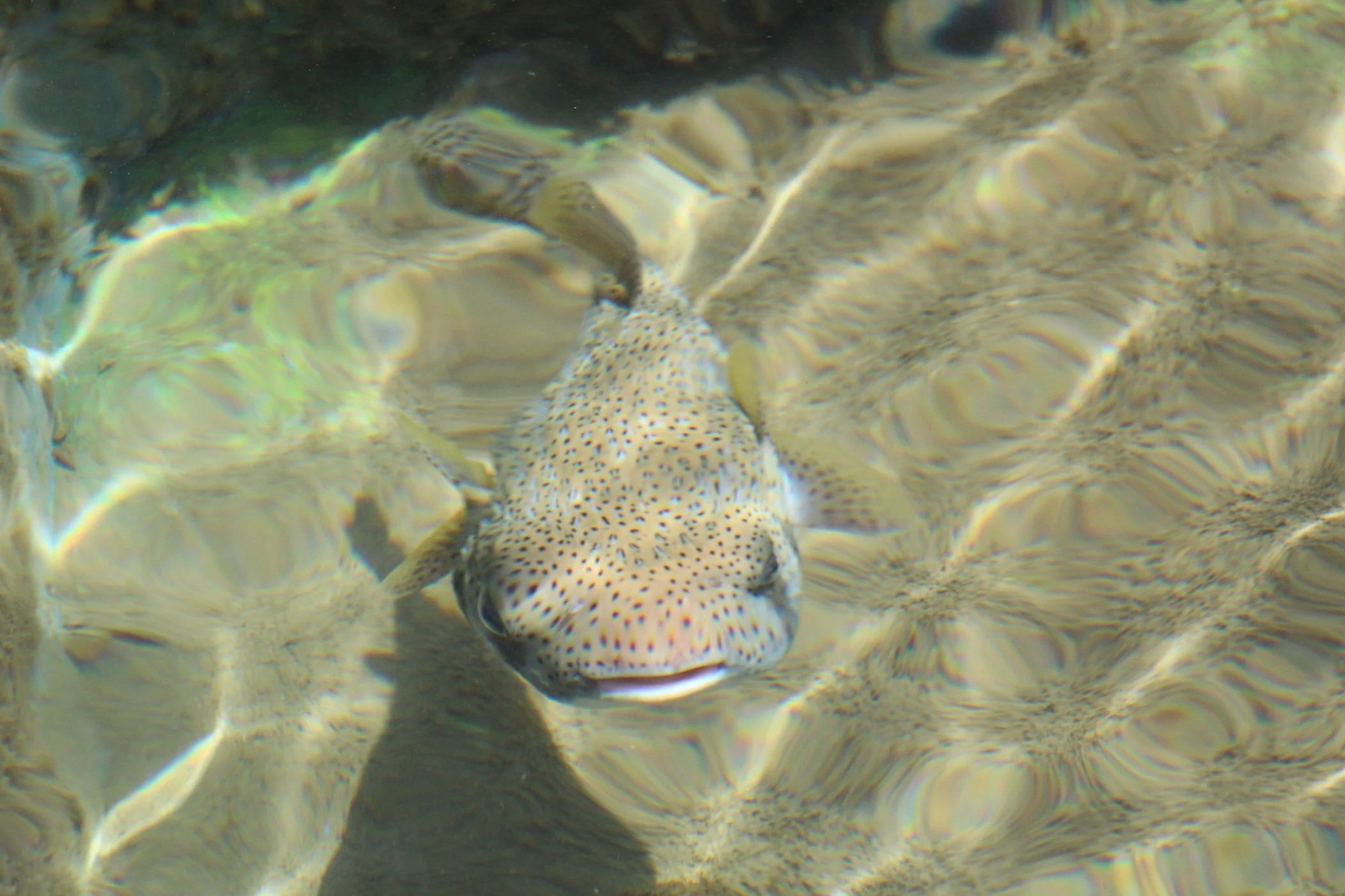
What the Pufferfish Teaches Us About Neurodivergent Protections
Like the pufferfish that inflates to create safety, the neurodivergent nervous system uses protective behaviors like withdrawal or irritability as a response to overload.

Loneliness and Friendship in the Neurodivergent Experience
Loneliness within the neurodivergent community is not a personal failing but often a result of navigating a world designed for different social operating systems.

The Missing Map: Understanding and Building Cognitive Empathy
Many neurodivergent individuals possess profound empathy, yet struggle with cognitive empathy, the mental map for reading social cues.

Neurodivergence, Communication Trauma, CPTSD and Embodied Healing
For many neurodivergent individuals, the very act of communication can become a source of profound and repeated trauma.

Synesthesia as Neurodivergent Perception
Synesthesia is not merely a curiosity but a fundamental aspect of sensory processing for many neurodivergent individuals.

How Fawning Can Erode the Neurodivergent Self
When neurodivergent individuals are consistently labeled as "too sensitive" or "overreactive," they often learn to cope by fawning, a self-abandoning strategy that trades authenticity for perceived safety.