
Search by topic, theme, or feeling

The Transformative Power of a Late Neurodivergence Discovery
A later-in-life neurodivergence diagnosis can provide the essential framework to rebuild.
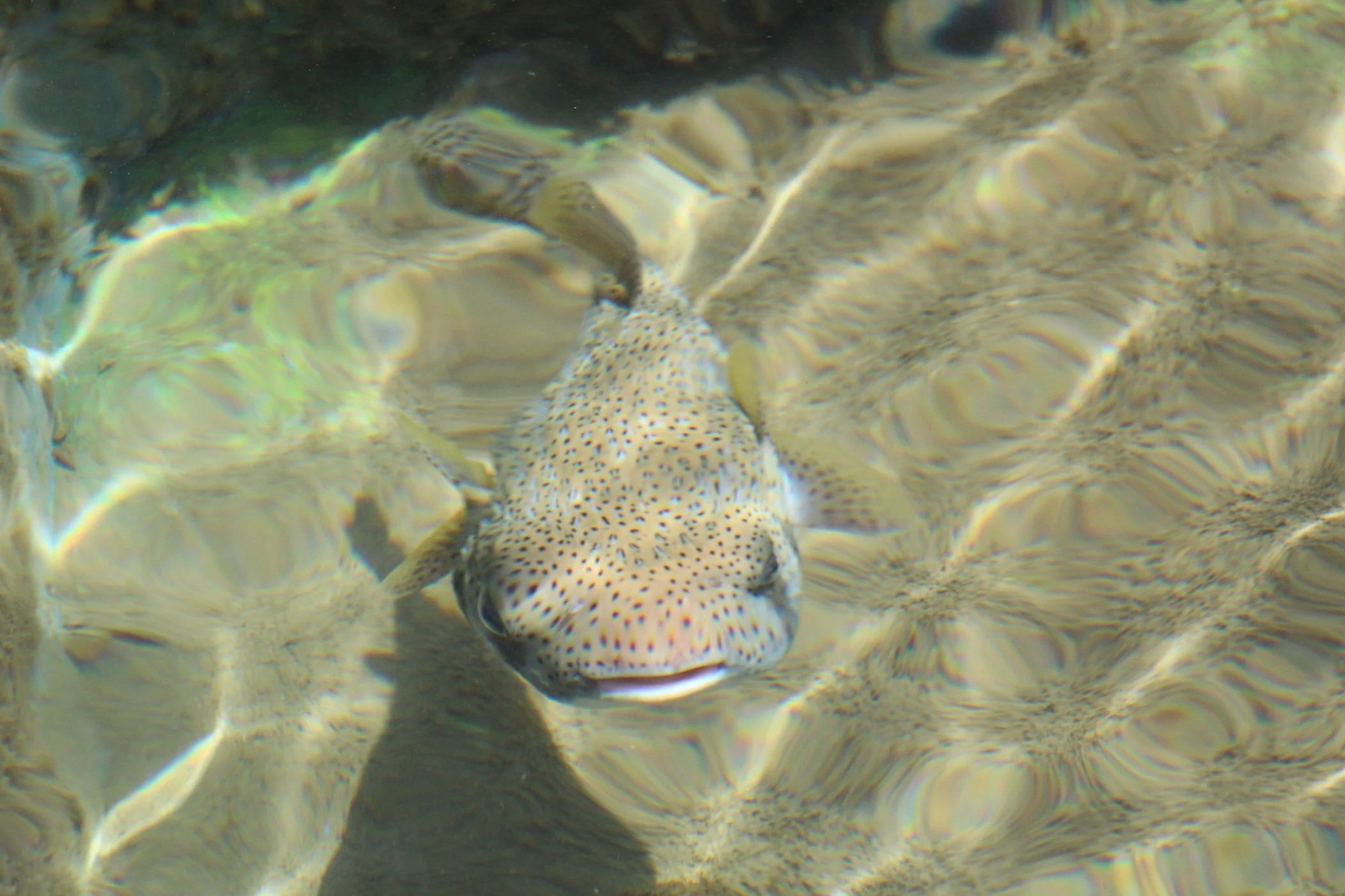
What the Pufferfish Teaches Us About Neurodivergent Protections
Like the pufferfish that inflates to create safety, the neurodivergent nervous system uses protective behaviors like withdrawal or irritability as a response to overload.

The Somatic Wisdom of Dark Comedy
A dark sense of humor is more than a coping mechanism, it is a somatic tool for regulation.

A Somatic Look at Eating Disorders and the Nervous System
When an individual's fundamental sense of autonomy feels chronically threatened, the nervous system can deploy powerful survival strategies.

Decoding Suicidal Ideation in Trauma Survivors
The emergence of suicidal thoughts following trauma is often not a desire to die, but a desperate, somatic plea for the overwhelming pain to stop.

Loneliness and Friendship in the Neurodivergent Experience
Loneliness within the neurodivergent community is not a personal failing but often a result of navigating a world designed for different social operating systems.

The Missing Map: Understanding and Building Cognitive Empathy
Many neurodivergent individuals possess profound empathy, yet struggle with cognitive empathy, the mental map for reading social cues.

When Attunement Fails: The Child Who Becomes the Container
For many children, especially those with neurodivergent sensitivities or caregivers burdened by their own unprocessed trauma, the parent’s inability to attune becomes a chronic rupture.

Parental Rupture and Repair: An Object Relations Guide to Somatic Attunement with Children
Attunement is less about perfect connection and more about the courageous practice of returning to it after a rupture.

Neurodivergence, Communication Trauma, CPTSD and Embodied Healing
For many neurodivergent individuals, the very act of communication can become a source of profound and repeated trauma.

Synesthesia as Neurodivergent Perception
Synesthesia is not merely a curiosity but a fundamental aspect of sensory processing for many neurodivergent individuals.

How Fawning Can Erode the Neurodivergent Self
When neurodivergent individuals are consistently labeled as "too sensitive" or "overreactive," they often learn to cope by fawning, a self-abandoning strategy that trades authenticity for perceived safety.

Addiction, Regulation, and a Somatic Path to Harm Reduction
Addiction is not a moral failure but the body's ingenious, if ultimately costly, attempt to find regulation and survive overwhelming circumstances.

When the Healing Hurts: Recognizing and Addressing Therapeutic Harm
The therapeutic relationship, intended as a sanctuary for healing, can sometimes become a source of retraumatization when a therapist's unexamined biases, reactions, or rigid methodologies cause harm.

When Attunement Becomes Enmeshment
In many relationships, a pattern emerges where one partner's heightened emotional attunement becomes a mechanism for avoiding conflict and managing their own anxiety.

Creative Rebellion: Reimagining Survival Strategies as Wholeness
What if your so-called disordered thinking is not a sign of being broken, but a profound somatic signal from a body that has creatively adapted to survive?

Healthy Regulation or A Rut? Neurodivergent Routines and Rituals
For many neurodivergent individuals, ritual and regularity are not preferences but essential tools for nervous system regulation.

Neurotype, Truth, and Conflict in Relationships
When conflict arises, neurodivergent individuals often prioritize objective truth seeking, while neurotypical individuals tend to focus on emotional considerations.
Literally Speaking: Strengthening Neurodiverse Relationships Through Playful Communication
For many neurodivergent individuals, language is a world of literal meanings, where common phrases and implied requests can be confusing.

Parenting While Neurodivergent
Parenting while neurodivergent presents a distinct set of challenges that often go unrecognized.