
Search by topic, theme, or feeling

Intergenerational Inheritance and the Body
The body is a living archive of ancestral history, holding biological, emotional, and cultural imprints that shape our present experience.

The Impact of Internalized Behavioral Criticism on Neurodivergent Children
Persistent behavioral criticism of neurodivergent children can lead to lasting self-esteem challenges and emotional distress, with deeper impacts than those experienced by neurotypical peers. Affirming their unique needs fosters resilience and self-acceptance.

The Mental Health Benefits of Bilateral Stimulation
Bilateral stimulation, including EMDR and solo activities like walking or drumming, can help reduce anxiety by integrating brain hemispheres and promoting nervous system regulation.

Understanding Sensory Issues in Neurodivergent Individuals and Pathways to Accommodation
Neurodivergent individuals often face sensory processing challenges that impact daily life. Therapists can help identify these needs and advocate for accommodations to foster inclusivity and well-being.

The Grooming Dynamic in Sexual Assault: How Harmless Appearances Can Mask Harmful Intent
Grooming in sexual assault often begins with seemingly harmless actions, masking its true intent. Recognizing these subtle manipulations is key to prevention and protection.

Navigating Conversational Pauses: Challenges and Strategies for Hyperverbal Neurodivergent Individuals
Hyperverbal neurodivergent individuals often struggle with conversational pacing, leading to unintentional interruptions.

When Cultural Scripts Fail Survivors of Coercion and Manipulation
Survivors often struggle to name their experiences because dominant cultural scripts prioritize physical violence.

Navigating Neurodivergent Challenges with Routine Disruptions: A Compassionate Approach
For neurodivergent individuals, routine disruptions can be deeply dysregulating.

Neurodivergence and Difficulties with Small Talk
Neurodivergent individuals often connect through cognitive depth rather than intuitive small talk, leading to misunderstandings in social and romantic relationships.

Betrayal Trauma in Sexual Assault Survivors
Betrayal trauma in sexual assault survivors is compounded when therapists, loved ones, and systems minimize their pain.

Repetitive Behavior in Neurodivergent People
Repetitive behaviors in neurodivergent individuals serve as vital tools for anxiety management but can also create challenges when rigidity limits adaptability.

"Am I Really Neurodivergent?" When Imposter Syndrome Makes You Doubt Your Diagnosis
Many neurodivergent people with a formal diagnosis still fear they’re 'faking it'.

Grieving the Self Who Didn’t Know
Grieving the self who "didn’t know" is an act of reclaiming clarity and compassion.

Emotional Rigidity in Neurodivergent Individuals and Its Impact on Relationships
Neurodivergent individuals often process emotions through a lens of logic and facts, which can leave neurotypical partners feeling unheard.
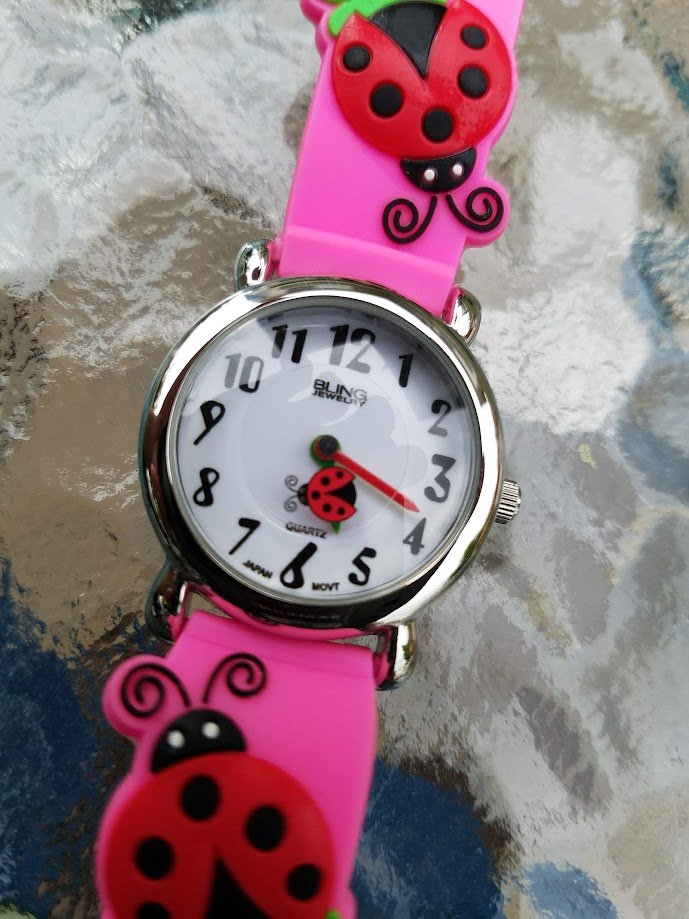
Time Blindness and Neurodivergence
Time blindness in neurodivergent individuals can strain relationships but is manageable with strategies, understanding and collaboration.

Erotic Confusion and Body Memory in Sexual Assault Survivors
Erotic confusion and body memory in sexual assault survivors are reflexive responses, not signs of consent.

Joint Attention Exercises for Neurodivergent Relationships and Families
Neurodivergent individuals may experience joint attention differently, which can affect relationships.

Theory of Mind Challenges in Neurodivergent Relationships
Neurodivergent individuals may experience challenges with theory of mind, leading to misunderstandings in relationships.

Trauma Integration and the Ripple Effect
Trauma integration brings clarity and revelation, yet its ripple effect means unresolved layers may surface later, often catching us off guard.

The Impact of Memory Holes on Neurodivergent Individuals and Their Relationships
Memory lapses in neurodivergent individuals can strain relationships, often misinterpreted as gaslighting. Understanding spiky abilities and fostering empathy can help bridge these gaps.